
· by Michael Blair, Nashville's Appliance Repair
Warranty coverage on an appliance comes in layers, and the longest of them is the easiest to forget. It’s worth checking before you pay for a repair, because on some brands the sealed system in a refrigerator or the motor in a washer stays covered for years after the general warranty has run out. If the paperwork says you’re on your own, our refrigerator repair service and our washer repair service explain what we look at first.
The layers
The first layer is the general manufacturer warranty. GE Appliances says its warranty period is typically one year, and LG’s refrigerator warranty covers parts and labor for one year from the original retail purchase, on internal and functional parts only.
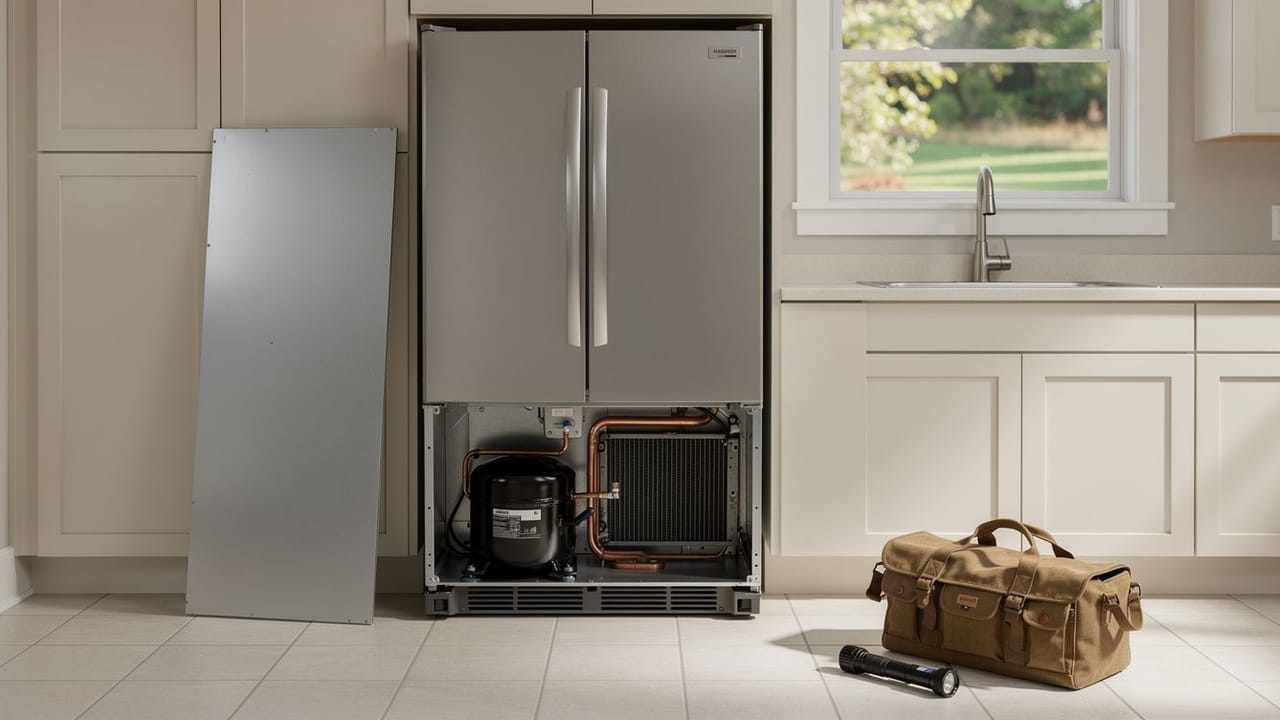
The second layer is longer coverage on particular components, and it varies by brand; GE says only that some appliances carry it. LG covers a refrigerator’s sealed system for five years, parts and labor, and its washer and dryer terms give the direct drive motor ten years on parts only, with the labor charged to you. If the fault turns out to be the compressor or the motor, check this layer before you weigh whether the machine is worth repairing at all. And ask before anyone works on a covered machine: LG excludes failures caused by improper repair, which its terms say includes parts LG has not authorized.
Where else might an appliance be covered?
A home warranty plan is one place. The Tennessee Department of Commerce and Insurance says home warranties often cover the repair or replacement of a home’s important appliances and systems, and its advice to buyers is to read the full statement of coverage. If you paid for the appliance with a credit card, call the issuer or read the card’s benefits guide to find out whether it adds anything to the manufacturer’s warranty.
Homeowners insurance is a different product. TDCI’s overview of homeowners’ insurance describes it as covering damage to the house and damage to or loss of personal property, which isn’t the same thing as a machine wearing out, so read your own policy on breakdowns. Even when a covered event does damage an appliance, TDCI’s page on actual cash value explains that an actual cash value policy deducts depreciation, which it describes as wear and tear or age. Check how the appliance was bought, and what you hold, before assuming a repair is yours to pay for.
- General warranty, typically one year
- Longer cover on some brands’ sealed systems and motors
- Any benefit from the card you paid with
- Home warranty plans, if you hold one
- Keep the model, serial number and receipt together
Extended warranties
GE calls what it sells extended service plans or contracts, and 15 U.S.C. 2301 defines a service contract as a written contract to perform maintenance or repair, or both, on a consumer product over a fixed period. They’re often offered at the register, though not only then: GE says its protection plans can be bundled with a purchase or added to appliances already bought. Before signing up, set the price of the plan against the repair it’s likely to pay for and against what the manufacturer already covers.
Then read what’s excluded. LG’s refrigerator terms leave out consumable parts such as filters and light bulbs, and finish damage like scratches and dents unless it’s reported within a week of delivery. GE’s list of what its refrigerator warranty doesn’t cover includes food lost to spoilage and the resetting of a tripped breaker. Those are manufacturer warranties; an extended plan excludes whatever its own contract says, so that contract is the document to read.
What paperwork should you keep?
Model number, serial number and the receipt together, and photographed. LG requires proof of the original retail purchase, showing the model and the date, before it will do warranty service, and without it the warranty start date becomes 90 days after the machine was made. GE also falls back on the manufacture date, though it accepts a letter from the builder or other proof of occupancy, which helps in a newly built house. Bought a house with the appliances already in it? LG’s warranty is valid only to the original retail purchaser.
TDCI gives the same advice for insurance claims: keep receipts for major items somewhere safe away from the house, along with photographs of each room. The model and serial plate sits in a different spot from one model to the next, so the owner’s manual is the place to find it, and the day of installation is the time to photograph it. Have those numbers ready when you ask us for an estimate, and we can sort out the warranty question before anyone opens the machine.
Sources
- GE Appliances, Determining Warranty Coverage and Purchasing Extended Service Plans / Contracts — Warranty typically one year; some appliances have longer component coverage; plans bundled at purchase or added later; manufacture date used without proof of purchase; builder letter or proof of occupancy accepted
- LG Electronics USA, Limited Warranty, refrigerators — One year parts and labor on internal and functional parts; sealed system five years parts and labor; proof of purchase or 90 days from manufacture; original purchaser only; consumables, finish damage and improper repair excluded
- LG Electronics USA, Limited Warranty, washers and dryers — Direct drive motor ten years, parts only, labor paid by the owner
- Tennessee Department of Commerce and Insurance, TDCI Helps Consumers Avoid Home Warranty Scams (2019) — Home warranties often cover major appliances; read the full statement of coverage
- Tennessee Department of Commerce and Insurance, Tennessee Focus on Homeowners’ Insurance — Covers damage to the house and damage to or loss of personal property; keep receipts and room photographs away from the house
- Tennessee Department of Commerce and Insurance, Actual Cash Value v. Replacement Cost — Actual cash value policies deduct depreciation, described as wear and tear or age
- GE Appliances, Refrigerator: What is Not Covered Under Warranty — Food spoilage and breaker resets not covered
- 15 U.S.C. 2301, Magnuson-Moss Warranty Act definitions (Cornell Legal Information Institute) — Definition of a service contract
FAQ
What Appliance Warranties Actually Cover — questions
Is my appliance still under warranty?
Check for component coverage as well as the general warranty, which GE puts at typically one year. Some brands go further on specific parts: LG, for example, covers a refrigerator’s sealed system for five years on parts and labor, and its washer direct drive motor for ten years on parts only. Have the model number, serial number and proof of purchase ready, because without proof of purchase both LG and GE work from the manufacture date instead.
Are extended warranties worth buying?
It depends on what the plan costs against the repair it is likely to pay for, and on how much the manufacturer’s warranty already covers. Read the plan’s own contract for exclusions; LG’s manufacturer warranty, for example, leaves out consumable parts such as filters, and finish damage not reported within a week of delivery, and an extended plan has its own list. GE sells plans for appliances already bought, so there is no need to decide at the register.
Does homeowner insurance cover a broken appliance?
Tennessee’s Department of Commerce and Insurance describes homeowners insurance as covering damage to the house and damage to or loss of belongings, which is a different matter from a machine that simply stops working. Read your own policy for how it treats a breakdown. A home warranty plan is a separate product, and TDCI notes that those often cover the repair or replacement of a home’s important appliances.
Does a refrigerator warranty cover spoiled food?
Not under GE’s refrigerator warranty, which lists food lost to spoilage among the things it does not cover, along with resetting a tripped breaker. Other brands and extended plans set their own exclusions, so the contract you hold is the document to read before filing a claim.